A&E Visits Slashed By Mental Health Project in Ealing
20% drop achieved by focus on people with long-term conditions
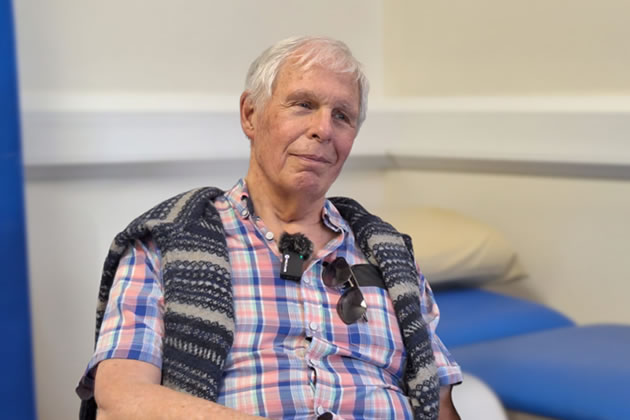
75-year-old cardiac patient Simon Elmes was a beneficiary of the scheme
May 21, 2026
A pioneering project in the borough of Ealing has helped reduce A&E visits by more than 20% among people living with long-term health conditions, after mental health specialists were embedded directly into physical health teams for the first time.
The initiative, led by West London NHS Trust, brings clinical health psychologists and therapists into services supporting patients with chronic pain, diabetes, respiratory illness and heart failure. By treating physical and mental health needs together, the Trust has seen a marked drop not only in emergency department attendances but also in emergency hospital admissions, which have fallen by nearly 30%. Patients who are admitted are also spending less time in hospital overall.
The findings reflect a growing national shift towards early, integrated support, forming part of the NHS’s 10-Year Health Plan to bring mental health expertise into neighbourhood teams and prevent problems escalating into crisis. For many patients, the approach is helping them manage their conditions more effectively, reducing the need for urgent care and improving quality of life.
For 75-year-old cardiac patient Simon Elmes, the benefits of this joined-up model became clear during routine cardiology reviews. Although his appointments focused on medication and recovery following heart surgery, a cardiac nurse noticed signs of emotional distress in 2025 and referred him to the Trust’s heart failure psychology service.
Simon was subsequently diagnosed with post-traumatic stress disorder (PTSD) linked to a previous cardiac arrest — a condition he had not realised he was living with. Working with a clinical psychologist, he began Eye Movement Desensitisation and Reprocessing (EMDR) therapy, a structured treatment designed to reduce the emotional intensity of traumatic memories.
Alongside the therapy, Simon developed practical strategies to support his wellbeing while caring full-time for his wife, who has dementia. He says the psychological support helped him cope with stress, improve relationships at home and engage more confidently with his cardiology team.
“Recalling the time when I had a cardiac arrest, and going through the whole experience, was quite traumatic,” he said. “I had no idea services like the Heart Failure psychology team even existed. I was able to share my feelings and emotions, and I felt genuinely cared for. Caring for my wife can be incredibly challenging, and going through my own health issues felt isolating. Having someone to talk to made a huge difference.”
Joel Sheridan, the Principal Clinical Psychologist who worked with Simon, said the progress was striking. “It was wonderful to see how much Simon benefited — both in reducing his PTSD symptoms and in helping him cope with the significant responsibilities he carries as a carer. It really highlighted the valuable role psychology can play within integrated healthcare teams.”
Dr Lindsay Ip, who leads the project at West London NHS Trust, said the results show what is possible when psychological care is embedded early in the treatment pathway.
“These findings show how powerful integrated psychological care can be,” she said. “Patients do better, teams work better, and the whole system benefits. It’s exciting to share this at the conference and show what’s possible when psychology is embedded early in the care pathway.”
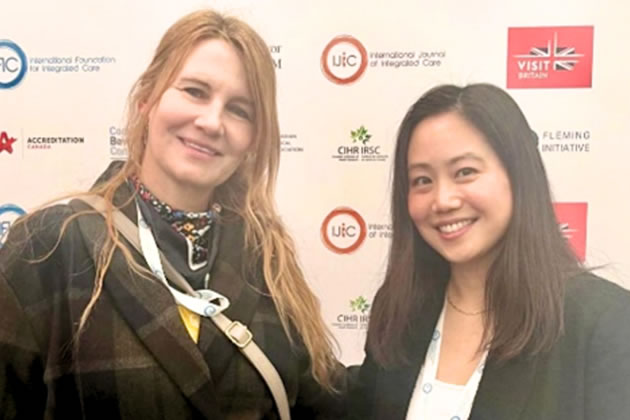
Jennie Persson and Dr Lindsay Ip
The outcomes were presented earlier this year at the International Conference for Integrated Care (ICIC2026) in Birmingham by Clinical Psychologists from Ealing Community Partners, including Dr Ip and Jennie Persson. Their work covered patients with a range of long-term conditions, including chronic pain, musculoskeletal issues, diabetes, heart failure and respiratory illness.
With long-term conditions accounting for a significant proportion of NHS activity, the Ealing project offers a glimpse of how early psychological support can reduce pressure on emergency services while improving patient wellbeing. For many residents, it means fewer crises, fewer hospital visits and more confidence in managing day-to-day health challenges.
Like Reading Articles Like This? Help Us Produce More This site remains committed to providing local community news and public interest journalism. Articles such as the one above are integral to what we do. We aim to feature as much as possible on local societies, charities based in the area, fundraising efforts by residents, community-based initiatives and even helping people find missing pets. We've always done that and won't be changing, in fact we'd like to do more. However, the readership that these stories generates is often below that needed to cover the cost of producing them. Our financial resources are limited and the local media environment is intensely competitive so there is a constraint on what we can do. We are therefore asking our readers to consider offering financial support to these efforts. Any money given will help support community and public interest news and the expansion of our coverage in this area. A suggested monthly payment is £8 but we would be grateful for any amount for instance if you think this site offers the equivalent value of a subscription to a daily printed newspaper you may wish to consider £20 per month. If neither of these amounts is suitable for you then contact info@neighbournet.com and we can set up an alternative. All payments are made through a secure web site. One-off donations are also appreciated. Choose The Amount You Wish To Contribute. If you do support us in this way we'd be interested to hear what kind of articles you would like to see more of on the site – send your suggestions to the editor. For businesses we offer the chance to be a corporate sponsor of community content on the site. For £30 plus VAT per month you will be the designated sponsor of at least one article a month with your logo appearing if supplied. If there is a specific community group or initiative you'd like to support we can make sure your sponsorship is featured on related content for a one off payment of £50 plus VAT. All payments are made through a secure web site. |